Why IPL Advertising Costs ₹10 Crore — Yet Brings Huge ROI for Brands
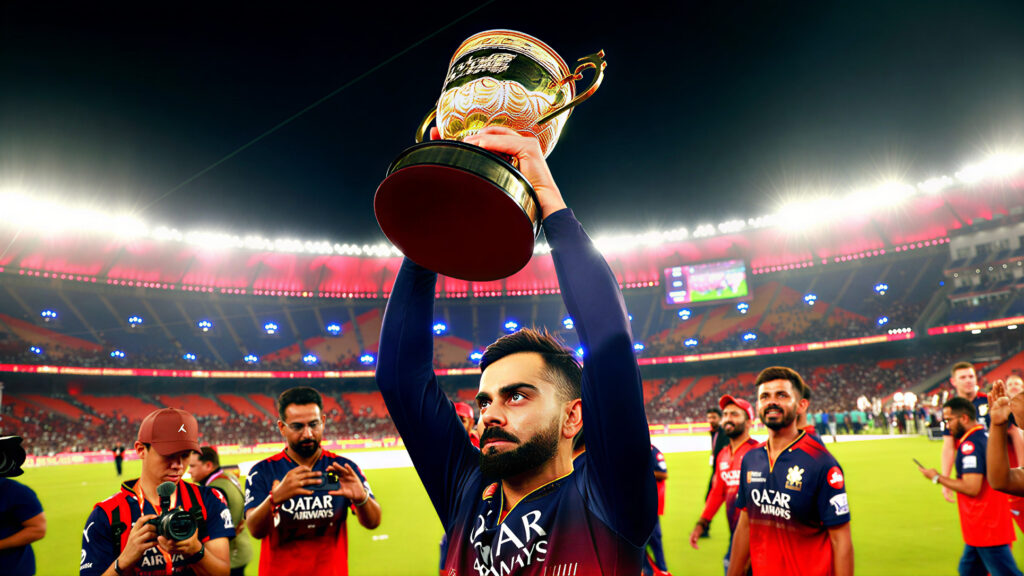
10 crore on the IPL isn’t about cheap advertising—it’s about risk management. Brands invest in IPL because staying absent is now riskier than participation. Compared to other entertainment platforms, the IPL delivers unmatched scale, visibility, cultural relevance, and long-term brand security that few marquee properties can replicate.
Scale Is Table Stakes. Attention Is the Prize
At the most basic level, ₹10 crore on the IPL buys scale. But scale alone doesn’t explain the premium.
The IPL is one of the last remaining moments in Indian media where attention isn’t fragmented. Families watch together. Viewers return night after night. Ads aren’t treated as background noise; they’re consumed in an emotionally heightened state. That distinction matters because advertising works best not when people are merely watching, but when they are emotionally engaged.
A typical ₹10 crore IPL investment delivers:
150–200 million unique viewers across TV and digital
High-frequency exposure over 8–10 weeks
Strong brand linkage due to repeat creatives
Association with national moments, not episodic content
But the most important output isn’t reach. It’s mental availability. By season’s end, the brand isn’t asking for attention—it’s recognised, remembered, and accepted.
IPL as Category Insurance
IPL advertising functions less like a campaign and more like category insurance:
It reassures consumers the brand is serious
It signals scale and stability
It keeps the brand “in the conversation” by default
This is why brands return year after year—even when short-term ROI models struggle to justify the spend. The value accrues quietly and compounds.
Now Compare: ₹10 Crore on Entertainment
Spend the same ₹10 crore on a marquee entertainment show—say a reality series or premium fiction—and the outputs look different.
Entertainment programming typically offers:
A narrower, more defined audience
Lower frequency (weekly or episodic)
Less emotional intensity tied to advertising
Higher chances of ad-skipping or second-screen distraction
Entertainment content is consumed for the show, not the surrounding ecosystem. Advertising is tolerated, not absorbed. While these properties can be excellent for targeted storytelling or niche positioning, they rarely create national moments. Viewership peaks around finales, not nightly. Emotional engagement is narrative-driven, not visceral.
Most critically, entertainment doesn’t generate cultural simultaneity. People watch at different times, on different devices, with varying levels of attention.
The result?
Good recall among fans of the show
Limited spillover beyond that audience
Minimal long-term impact on brand salience
In simple terms: entertainment advertising communicates; IPL advertising imprints.
The Compounding Effect Brands Actually Pay For
The true return on IPL advertising shows up after the season:
Lower cost per conversion in post-IPL digital campaigns
Higher response to influencer and retail activations
Faster acceptance of new product launches
Improved distributor and trade confidence
IPL advertising doesn’t replace other marketing. It makes all other marketing work better. That’s the compounding effect.
A ₹10 crore IPL investment doesn’t buy guaranteed sales. It buys permission, presence, and permanence in the consumer’s mind. Compared to entertainment properties, the IPL isn’t just a media platform—it’s cultural infrastructure.
And What About the WPL?
Do brands spend on the Women’s Premier League? Yes—but cautiously and selectively.
Advertising capital follows proven scale and certainty, not intent or ideology. The IPL has become a defensive, must-presence platform where absence is visible and risky. The WPL, by contrast, is still viewed as an optional, high-potential property rather than a core buy.
The WPL delivers:
Sharper meaning
Younger, more progressive audiences
Higher attention per impression
But it hasn’t yet developed the compulsion effect that forces brands in. As a result, the WPL attracts challenger, future-facing, and women-focused brands willing to invest early for long-term equity—while large advertisers wait for habitual viewership and locked-in scale before committing serious budgets.
Conclusion
Brands don’t pay ₹10 crore for the IPL because it’s efficient. They pay because it de-risks relevance. In a media landscape defined by fragmentation, the IPL remains one of the few platforms that still delivers shared attention at national scale.
Also Read: WPL 2026: Gujarat Giants WPL 2026: Ashleigh Gardner Reveals Team’s Strongest Squad Ever