
Asia Cup 2025 final — India’s Epic Last-Ball Victory Over Pakistan (Full Report)
A Final That Lived Up To The Hype
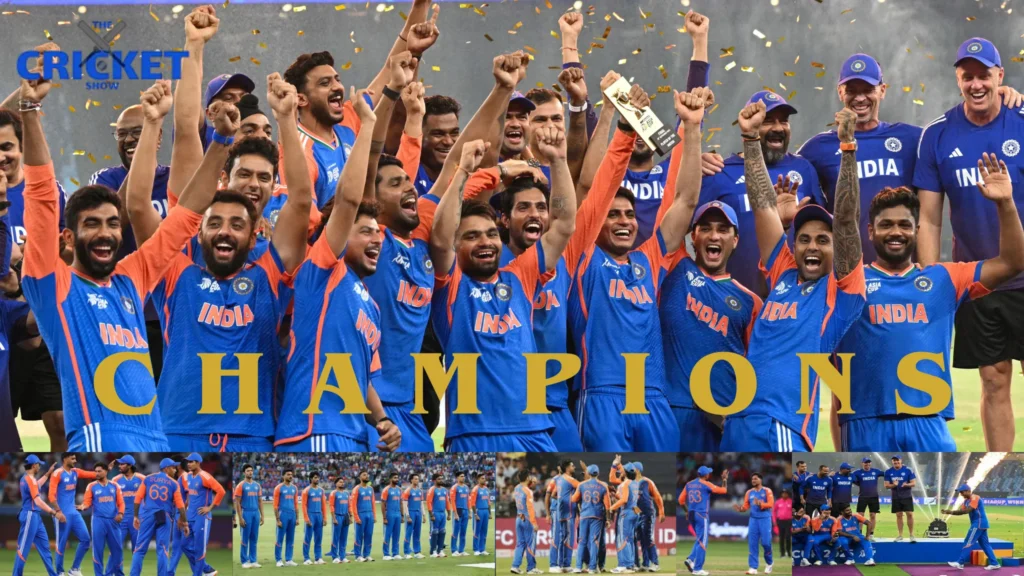
The Asia Cup 2025 final at Dubai International Cricket Stadium was everything fans wanted: drama, big moments, a nervy chase, and a last-ball finish. India edged Pakistan by five wickets to capture their record ninth Asia Cup title, reinforcing their T20 strength in Asia. The match was defined by big individual contributions — a match-winning knock by Tilak Varma, a lethal wrist-spin spell from Kuldeep Yadav, and consistent tournament form from Abhishek Sharma, who finished the competition as player of the tournament.
Match Snapshot Quick Scorecard
Pakistan: 146 all out (19.1 overs)
- Top scorers: Sahibzada Farhan 57, Fakhar Zaman 46
- Best bowling (India): Kuldeep Yadav 4/30
- Notable Pakistan cameo: Faheem Ashraf
India: 150/5 (19.4 overs) — India won by 5 wickets
- Top scorers: Tilak Varma 69* (53), Shivam Dube 33
- Key bowling (Pakistan): Faheem Ashraf 3/29
Player of the Match: Tilak Varma. Player of the Series: Abhishek Sharma.
First Innings Pakistan’s Brisk Start, Middle-Order Collapse
Pakistan began their innings with positive intent. Openers attacked the powerplay and posted encouraging starts — Sahibzada Farhan top-scored with a gutsy 57, and Fakhar Zaman provided quick runs with 46. By the midway point, Pakistan looked set for 170–180. But the game shifted dramatically when Kuldeep Yadav produced a wrist-spin masterclass in the middle overs.
Kuldeep’s mix of googlies, bends of pace, and sharp wrist-spin uprooted the middle order, finishing with 4/30 and snuffing Pakistan’s momentum. Pakistan finished at 146 — a competitive total but below the par they had briefly aimed for.
India’s Chase Top-Order Jitters, Varma’s Calm Brilliance
Chasing 147, India’s start was wobbly. Pakistan’s pace duo struck early, and India slumped to 20/3 — a critical juncture where the momentum seemed to tilt Pakistan’s way. Early wickets created tension, but Tilak Varma produced a composed and match-defining innings.
Varma’s 69* off 53 was a brilliant blend of timing and temperament — he rotated strike, punished the bad balls, and took the chase deep. He received important support from Shivam Dube (33), whose hitting lifted the strike rate when required. Their partnership eased the required-run pressure in the back end of the chase.
When the last over began, India needed a handful of runs; the match swung in India’s favour with crisp running and smart risk management. A decisive boundary on the penultimate ball — and calm finishing sealed India’s victory with two balls to spare. Tilak Varma’s finishing cameo is the reason he earned the Player of the Match honors.
Key Performers Deep Dive
Tilak Varma, The Calm Architect of India’s Chase
Tilak Varma’s unbeaten 69 off 53 balls in the Asia Cup 2025 Final wasn’t just a match-winning innings it was a masterclass in controlled aggression and tactical intelligence. From the moment India slipped to 20/3, Varma read the situation with remarkable composure. Rather than succumbing to scoreboard pressure, he anchored the innings with clarity and intent, rotating the strike smartly and ensuring the required run rate never spiraled out of control. What made Varma’s knock truly exceptional was his ability to adapt to Pakistan’s changing bowling plans. Against pace, he relied on precision timing and placement through the offside, while against spin, he used soft hands and quick footwork to nudge singles and keep the scoreboard ticking. His boundary selection was immaculate, never reckless, always calculated — especially his wristy flicks behind square and lofted drives over extra cover that kept the momentum alive.
In the death overs, when pressure peaks in most T20 chases, Varma shifted gears with effortless control. His strike rotation, combined with selective aggression against Pakistan’s death bowlers, exemplified his growing maturity as a modern finisher. By the time India reached the final over, Varma’s calm body language and confident shot selection inspired belief in the dressing room and the stands alike. This innings was not merely about runs, it was about temperament, timing, and trust in the process. It showcased why Tilak Varma is fast emerging as India’s next-generation match-winner, blending classical technique with contemporary T20 flair. His performance under lights in Dubai will be remembered as one of the defining knocks in India’s ninth Asia Cup triumph, symbolizing the evolution of India’s fearless young batting core.
Kuldeep Yadav — The Spin That Broke the Game
Kuldeep Yadav’s sensational spell of 4/30 in the Asia Cup 2025 Final was the defining tactical moment of the match. When Pakistan seemed well-positioned at 84/1 and looked set for a competitive total, Kuldeep’s magical wrist-spin turned the tide completely in India’s favor. His ability to extract grip and drift from the Dubai surface transformed a flat pitch into a minefield for Pakistan’s middle order.

What set Kuldeep apart in this final was his variation in flight and pace. He used the googly sparingly but effectively, deceiving batters with subtle changes in release and angle. His dismissal of key middle-order players showcased pure tactical mastery, drawing them forward before beating them in the air and turning the ball sharply past the edge.
Every delivery demanded respect, and every wicket shifted momentum toward India.
Beyond the wickets, Kuldeep’s spell was a lesson in control and pressure building. By maintaining a disciplined line outside off-stump and attacking the stumps when needed,
he restricted scoring options and forced Pakistan’s batters into false strokes. His overs in the middle phase not only broke partnerships but also restricted Pakistan’s acceleration, turning a projected 180+ total into a modest 146 all out.
Throughout the tournament, Kuldeep had been India’s most consistent bowler, delivering breakthroughs in critical moments. But this final underlined why he remains India’s premier match-winning spinner in T20 cricket. His blend of experience, accuracy, and variation ensured that India dominated the middle overs — the phase that often decides high-pressure finals. In every sense, Kuldeep Yadav’s 4/30 spell was the heartbeat of India’s Asia Cup 2025 triumph, symbolizing the power of wrist spin in modern limited-overs cricket.
Abhishek Sharma — Tournament MVP (Player of the Series)
Abhishek Sharma emerged as the standout performer of the Asia Cup 2025, delivering a series of consistent and explosive performances at the top of the order.
His ability to dominate the power play with clean hitting and sharp shot selection provided India with crucial early momentum in nearly every match.
What truly set Abhishek apart was his fearless intent and balance between aggression and control. He showcased maturity beyond his years, adapting his approach to match situations, accelerating when required, and rotating the strike smartly when bowlers tightened the line. His blend of aggression and tactical awareness made him a complete modern-day opener.
With a remarkable aggregate of runs and an exceptional strike rate, Abhishek consistently dismantled opposition attacks, laying the foundation for India’s victories. Whether facing fiery pacers or crafty spinners, his composure and confidence stood out, transforming challenging situations into match-winning opportunities.
Awarded the prestigious Player of the Series, Abhishek Sharma’s performances were not just about numbers; they represented India’s new batting blueprint: proactive, fearless, and adaptable. His innings throughout the tournament symbolized a generational shift in Indian cricket where young talent not only rises but also dominates at the international stage.
Pakistan’s Bright Spots — Sahibzada Farhan & Fakhar Zaman
Despite the defeat in the Asia Cup 2025 Final, Pakistan found hope in the form of Sahibzada Farhan and Fakhar Zaman,
who displayed commendable resilience at the top of the order. Their partnership laid a strong foundation, ensuring Pakistan stayed in contention through the first half of the innings.
Sahibzada Farhan’s fluent 57 was a fine display of composure and timing. He paced his innings smartly, rotating strike with intent and punishing loose deliveries with precision. His ability to handle India’s new-ball attack reflected growing maturity and the promise of a dependable top-order mainstay.
Fakhar Zaman, on the other hand, complemented Farhan’s stability with aggressive shot-making. His quick 46 injected momentum into Pakistan’s innings,
putting India briefly on the back foot. Fakhar’s intent against pace and confidence to clear the infield made him one of Pakistan’s most reliable limited-overs batters.
However, once spin entered the equation, Pakistan’s momentum faltered. The middle order struggled to build on the openers’ platform, unable to counter Kuldeep Yadav’s sharp turn and variations. Though Pakistan’s bowlers fought back admirably with disciplined spells, India’s composed middle order and Kuldeep’s game-breaking overs ultimately tilted the match decisively in India’s favor.
Still, Farhan and Fakhar’s performances were among the few bright spots for Pakistan. They highlighted a promising opening pair capable of delivering under pressure and set a positive tone for future tournaments.