Breaking Drama: ICC Bans Haris Rauf After Asia Cup 2025 Controversy
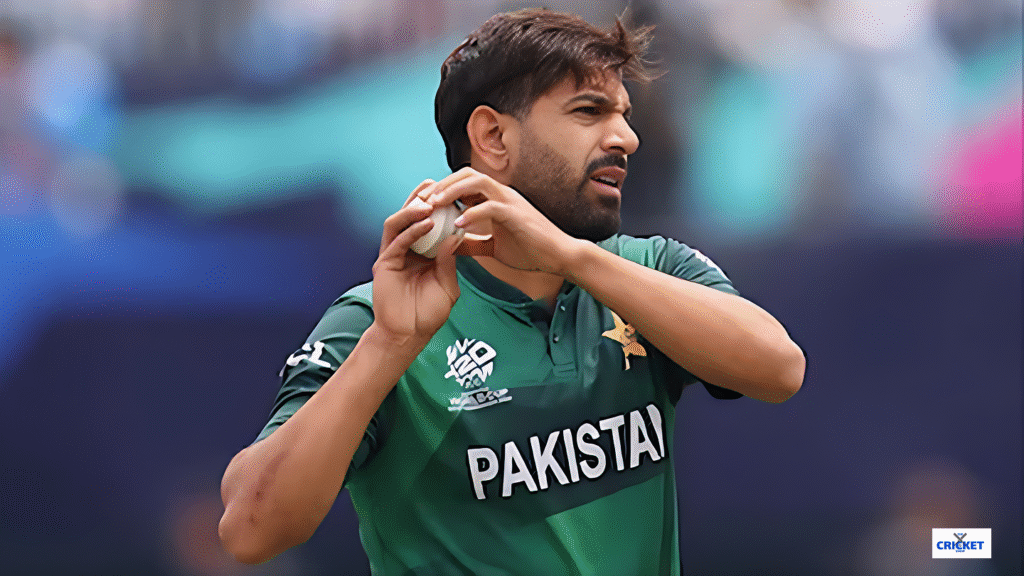
Breaking: Haris Rauf banned by ICC for two matches after Asia Cup 2025 controversy.
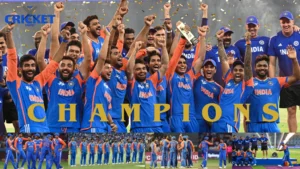
The 2025 Asia Cup may have ended with India lifting the trophy, but the tournament’s closing chapter was marked by controversy rather than celebration.
In a shocking development, the International Cricket Council (ICC) has imposed a two-match ban on Pakistan fast bowler Haris Rauf for breaching the ICC Code of Conduct during the heated India vs Pakistan encounters.
Known for his fiery pace and aggressive celebrations, Haris Rauf crossed the line in moments that the ICC deemed “conduct bringing the game into disrepute.” His actions, which included provocative gestures toward Indian players and fans, ignited widespread debate across the cricket world.
As the dust settles, the suspension not only sidelines Haris Rauf — one of Pakistan’s key pacers — for their next series but also raises broader questions about player behavior, sportsmanship, and the intensity of modern cricket rivalries.
1. What Happened – The Incident That Sparked the Ban
The controversy stems from Rauf’s behavior during two matches of the Asia Cup 2025 — the high-voltage group clash and the final against India.
During both games, Rauf was seen making provocative gestures following key dismissals. One particular moment went viral: after dismissing Suryakumar Yadav, Rauf imitated an airplane crashing motion — widely interpreted as a taunt connected to India’s post-match celebrations and historical memes between fans.
The ICC viewed these gestures as unsporting and disrespectful, particularly in the emotionally charged context of an India-Pakistan fixture. Following a post-match review, the match officials reported Rauf’s conduct to the disciplinary panel.
The ICC later confirmed that Rauf had violated Article 2.21 of the ICC Code of Conduct, which pertains to “conduct that brings the game into disrepute.”
2. The ICC’s Official Statement and Sanction
After reviewing match footage and reports from umpires, the ICC charged Haris Rauf with two separate breaches of Article 2.21. Each incident earned him two demerit points, totaling four demerit points, which automatically triggered two suspension points under ICC regulations.
As a result, Rauf was handed:
- A two-match ban (he will miss Pakistan’s first two ODIs against South Africa).
- A fine of 30% of his match fee for each offense.
An ICC spokesperson said:
“The International Cricket Council expects all players to uphold the spirit of cricket, especially in matches that carry global attention. While competitive emotion is part of the game, gestures that could be perceived as provocative or disrespectful have no place on the field.”
This marks the first major disciplinary action against Rauf in his international career — a setback for the fiery pacer known for his aggression.
3. Understanding the ICC Code of Conduct Violation
Conduct That Brings the Game into Disrepute
This article covers actions that “discredit, disrepute or tarnish the image of cricket” — even if they do not involve verbal abuse or physical contact.
Examples include:
- Mocking or taunting opponents.
- Gestures that could be offensive to spectators or other players.
- Any action that damages cricket’s reputation on or off the field.
In Rauf’s case, the ICC disciplinary panel concluded that his gestures “went beyond acceptable celebration” and could “incite crowd hostility.”
Such offenses are classified as Level 2 breaches, which carry penalties ranging from fines to match suspensions, depending on severity and recurrence.
4. The Context – India vs Pakistan and the Pressure Cooker Rivalry
No other cricket rivalry carries the emotional weight of India vs Pakistan. Every encounter becomes a high-stakes spectacle followed by millions, and every gesture is magnified through the lens of social media, nationalism, and pride.
While passion fuels both sides, it also makes these contests volatile. Players often struggle to balance aggression with restraint. The Asia Cup 2025 final was particularly tense — after India’s narrow win, emotions ran high on both sides.
In such an atmosphere, even a minor gesture can escalate into a major incident. The ICC’s strict action, therefore, sends a clear message: no player, however passionate, is above the spirit of the game.
5. Reactions – Divided Opinions Across the Cricket World
The ban has triggered mixed reactions from fans, analysts, and former players.
5.1 Pakistan’s Response
The Pakistan Cricket Board (PCB) issued a brief statement supporting the ICC’s decision while emphasizing Rauf’s clean record:
“Haris Rauf remains an important part of Pakistan’s cricketing future. While the ICC’s ruling is respected, we trust this incident will serve as a learning experience for him and all players representing Pakistan at the highest level.”
Privately, however, sources close to the PCB hinted at frustration, believing the incident was “over-interpreted” given the emotions of an Indo-Pak final.
5.2 Indian Cricket Community’s Reaction
In India, many analysts backed the ICC’s decision.
Former India captain Sunil Gavaskar remarked:
“There’s a difference between aggression and arrogance. Celebrations are fine, but when you mock your opponent, you cross the line.”
However, some Indian fans also criticized the ICC for not showing equal scrutiny to other players — notably Jasprit Bumrah, who himself made a “plane” gesture earlier in the tournament that sparked confusion online.
5.3 Global Reaction
International cricket writers largely agreed that the ICC’s decision was appropriate. The Guardian described it as “a necessary move to protect cricket’s global image,” while ESPN Cricinfo noted that such disciplinary clarity “prevents future emotional excesses in high-pressure tournaments.”
6. Haris Rauf’s Response – “I Will Learn from This”
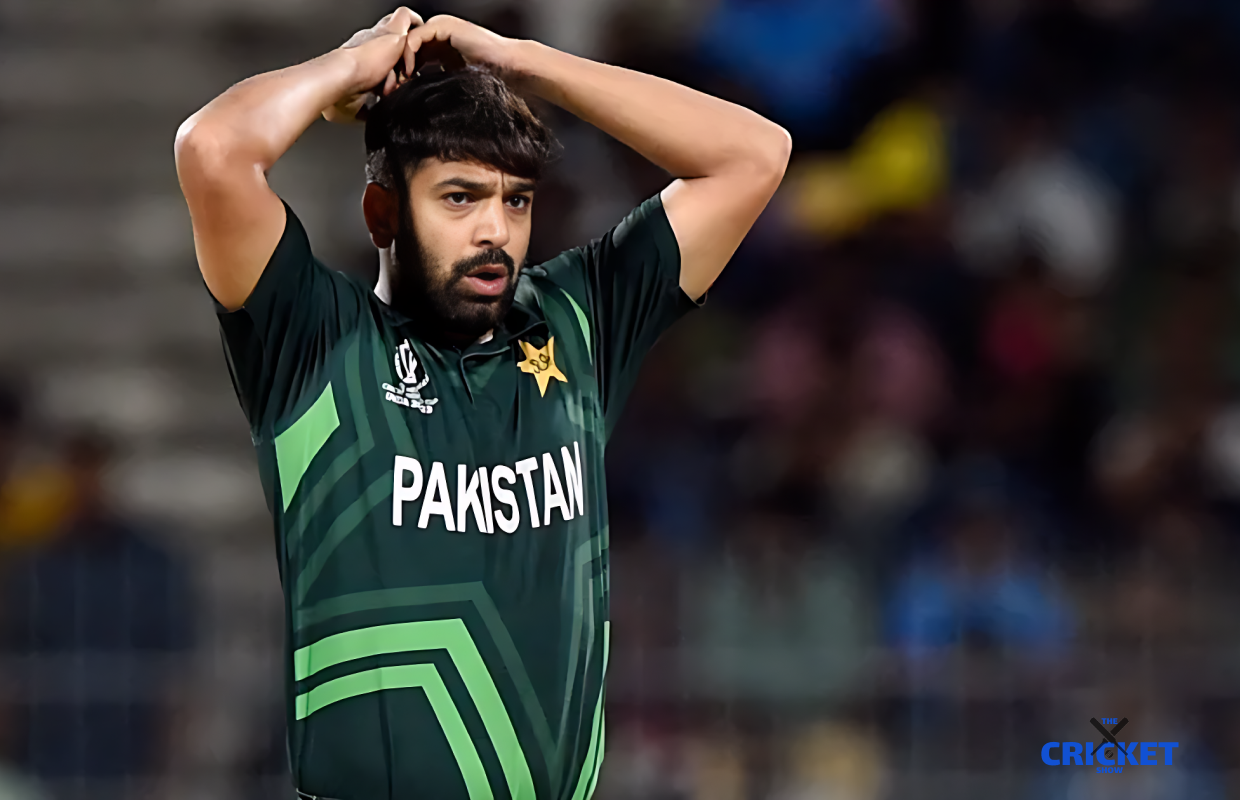
In a statement released on social media, Haris Rauf expressed regret but maintained that his actions were never meant to offend.
“I play with passion and pride for my country. I understand now that my celebration may have been taken the wrong way. I respect the decision and will learn from this. Cricket has always been my love, and I will return stronger and more focused.”
Fans applauded his humility and maturity, with many urging the ICC to view the matter as a learning opportunity rather than an indictment of character.
7. The Cost of the Ban – Pakistan’s Cricketing Challenge
The suspension could not have come at a worse time for Pakistan. The team is preparing for a challenging home ODI series against South Africa, where Haris Rauf’s pace was expected to play a crucial role alongside Shaheen Afridi and Naseem Shah.
With Rauf unavailable for the first two matches, Pakistan will likely rely on Hasan Ali or Mohammad Wasim Jr. as replacements. While both are capable, Rauf’s absence leaves a tactical void — particularly in the middle overs, where his variations often provide breakthroughs.
Moreover, the ban disrupts Rauf’s momentum following a strong Asia Cup campaign where he took 10 wickets in 5 matches.
8. Lessons for Players – Passion with Discipline
The Haris Rauf controversy highlights a recurring tension in modern cricket: balancing emotion with professionalism.
Cricket today is played under immense scrutiny. Every move, word, and gesture is analyzed in real-time by millions online.
The ICC’s code is not merely punitive — it’s a reminder that representing one’s nation comes with responsibility.
Aggression is part of fast bowling, but sportsmanship must always prevail.
As former South African pacer Dale Steyn once said:
“Fast bowling is theatre — you act fierce, but you respect your co-actors.”
Rauf’s incident serves as a cautionary tale for all players navigating the blurred line between passion and provocation.
9. Similar Past Incidents – When Emotions Boiled Over
Cricket has witnessed several high-profile disciplinary actions for on-field behavior. Some notable examples include:
- Virat Kohli (2012): Fined for an offensive gesture at Sydney crowds.
- Ben Stokes (2017): Banned for one game after an on-field altercation.
- David Warner (2013): Suspended for a physical confrontation in the Champions Trophy.
- Kagiso Rabada (2019): Handed demerit points for aggressive send-offs.
In each case, passion and rivalry played key roles — proving that even world-class professionals can sometimes let emotions override judgment.
10. Social Media Reaction – The Digital Courtroom
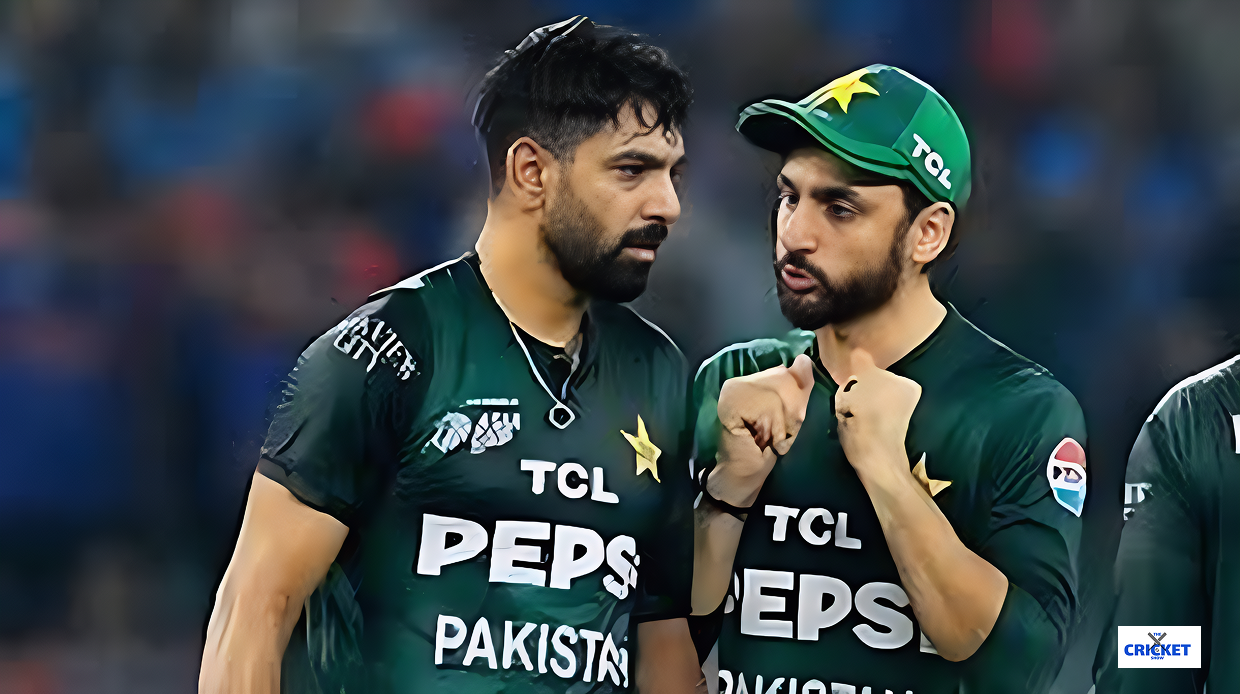
The incident exploded across X (Twitter), Instagram, and YouTube, with hashtags like #HarisRaufBan, #AsiaCup2025, and #SpiritOfCricket trending for days.
While Pakistani fans defended their star, arguing that the punishment was harsh, Indian fans saw it as justified discipline. Memes, fan wars, and reaction videos dominated the conversation, underlining how modern cricket controversies transcend the field and enter the global digital discourse.
Social media, for better or worse, amplifies the emotional aftermath of such incidents, shaping public opinion even before official rulings are announced.
11. The Broader Message from ICC – Protecting the Spirit of Cricket
The ICC’s decision sends a clear and necessary message: cricket’s image must remain above individual theatrics.
The “Spirit of Cricket” clause — a cornerstone of the game’s ethics — expects respect for opponents, umpires, and fans. While celebrations are encouraged, they must remain within the boundaries of dignity and decorum.
The ICC’s Chief Match Referee panel noted:
“The game’s global viewership demands higher standards of behavior. While we recognize emotional moments, they cannot compromise cricket’s reputation as a gentleman’s game.”
In an age where competitiveness often blurs ethical lines, such enforcement is crucial to preserving cricket’s integrity.
12. What’s Next for Haris Rauf and Pakistan
After serving his two-match suspension, Haris Rauf is expected to return for the remainder of Pakistan’s home series.
However, the incident will likely influence how he’s perceived by fans, officials, and opponents.
For Pakistan, the focus will shift toward rebuilding discipline within the squad. Team management may conduct behavioral workshops or counseling sessions to remind players of the responsibilities that come with representing the national team.
Haris Rauf’s challenge now is to channel his fiery energy positively — to let his pace and skill, not his celebrations, make the headlines.
13. The Rivalry Continues – But So Does Respect
The India-Pakistan rivalry will continue to capture the world’s attention. It’s a spectacle unlike any other — one that thrives on emotion, history, and shared passion.
Yet, as this controversy reminds us, respect must coexist with rivalry. The greatest cricketing duels — Tendulkar vs Akram, Kohli vs Steyn — were fierce yet respectful.
The real beauty of cricket lies not just in victories or defeats, but in the mutual admiration that transcends borders.
A Lesson Beyond the Boundary
The Haris Rauf saga is more than a disciplinary headline; it’s a reflection of cricket’s evolving identity.
In today’s media-saturated era, where every gesture becomes a statement, players carry immense responsibility as ambassadors of the sport.
Rauf’s two-match ban serves as a reminder — passion without control can harm reputations, but humility in learning restores respect.
For the ICC, the ruling underscores its commitment to maintaining cricket’s dignity.
For Haris Rauf, it’s a second chance — to rebuild, refocus, and return stronger.
In the end, controversies fade, but the lessons remain. The spirit of cricket endures — firm, fair, and timeless.
Written by The Cricket Show
For more trending cricket news, stats, and expert opinions, visit our homepage: The Cricket Show – Latest Cricket Updates.