
Shocking First in 148 Years: Tea Before Lunch in Guwahati Test Explained
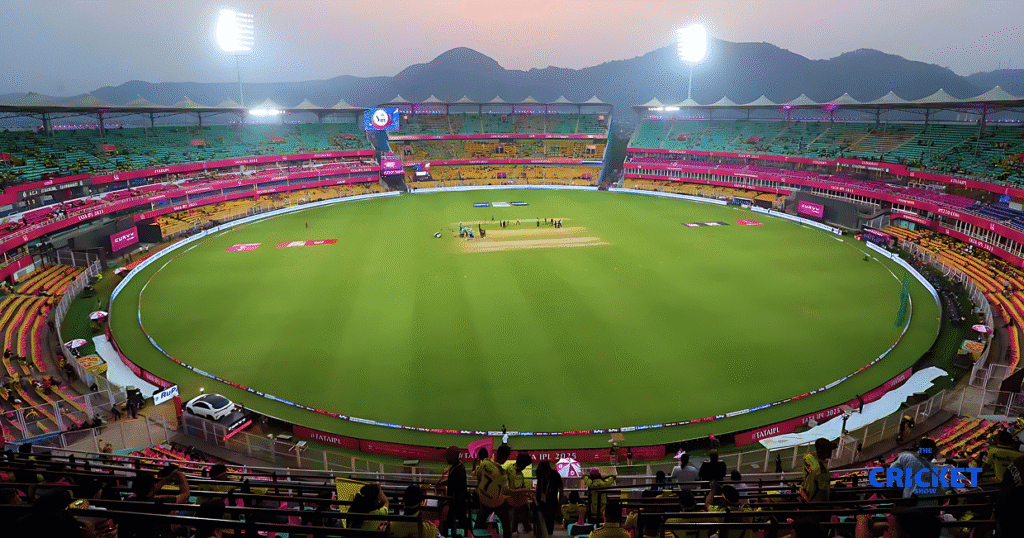
For the first time in 148 years of Test cricket, a regular-day Test match featured a tea break before lunch. In what has become a landmark moment for Test cricket scheduling, the India vs South Africa Test match held at Barsapara Stadium in Guwahati on November 22, 2025, rewrote history books—not because of a performance on the field, but due to an unprecedented change in session timing.
1. Traditional Test Match Session Structure
Traditionally, in Test cricket, the daily sequence of events runs as follows: toss, first session, then a lunch break, followed by a second session, then a tea break, and finally the final session ending at stumps. This structure has become standardized over decades of the sport’s evolution. Several major cricketing bodies and venues across the globe follow this order to allow consistency for players, broadcasters, and match officials.
2. What Happened in Guwahati: Timing Change & Match Schedule
2.1 Unique Time & Session Structure
For the India vs South Africa 2nd Test in Guwahati, match officials adopted a non-standard session timetable: the game started at 9:00 AM (as opposed to the more common 9:30 AM start time seen at many Indian venues) to accommodate local daylight conditions.
First session: 9:00 AM to 11:00 AM.
Tea break: 11:00 AM to 11:20 AM.
Second session: 11:20 AM – 1:20 PM.
Lunch break: 1:20 PM – 2:00 PM.
Final session: scheduled till 4:00 PM, with possibility of extension under certain conditions.
3. Reasons Behind the Decision: Geography, Sunlight & Overs Preservation
Why did the match authorities opt for such a dramatic change? Several interlinked factors contributed:
3.1 Early Sunrise & Sunset in Guwahati
Guwahati is geographically positioned in the far eastern region of India. Because India follows a single time zone (IST) nationally, regions farther east experience sunlight earlier and night earlier relative to the official time zone.
This positional factor results in reduced natural light hours available for play, especially during certain months (like November, when this Test was held).
3.2 Maximizing Overs & Maintaining Playing Time
Given the early sunset risk, the match officials (in consultation with relevant boards) decided to mitigate possible overs lost to fading light by structuring the day so that players could conclude important morning sessions without interruption. Placing tea first allowed play to resume quickly after the short tea break, ensuring that valuable overs were not sacrificed due to daylight issues.
4. On-Field Impacts & Player/Team Reactions
4.1 Match Flow & Light Conditions
The revised session schedule appeared to aid in avoiding disruptions associated with poor light, especially critical in parts of the day when sun position or early dusk could curtail play. Local weather and daylight considerations are always vital in cricket, where natural light influences bowlers’ effectiveness, batsmen’s visibility, and umpiring decisions.
4.2 Player Responses & Commentary
Players and team staff reacted with a mix of humor and professionalism to the shift:
Sai Sudharsan, an Indian batter, joked about the schedule change, saying that he “already drinks tea during lunch,” highlighting his lighthearted take on the unusual order.
5. Broader Significance for Test Cricket
5.1 Tradition Versus Practicality
Test cricket carries immense heritage, and routines like “lunch then tea” are part of its deeply-embedded culture. However, Guwahati’s example shows that tradition can be thoughtfully adapted for practical, logistical reasons—especially when local geography demands it. This duality—respect for tradition without rigidity—is critical for the sport’s sustainability globally.
5.2 Venue Diversity & International Expansion
As cricket expands into regions less traditionally associated with international Test fixtures, understanding and accommodating local conditions become even more important. The Barsapara case could guide future venue evaluations and scheduling for emerging cricket grounds.
6. Criticism & Dialogue
As with any departure from established protocols, there are discussions and critiques:
Purists argue that play sequences and routines are part of Test cricket’s essence and switching them could dilute tradition. They express concern over players’ routines, broadcasters’ schedules, and even dietary timings being disrupted.
On the other hand, pragmatists and venue operations experts support adjustments when unavoidable local conditions pose risks to match completion or fair play.
Interestingly, this dialogue underscores sport’s need to evolve. Changes do not have to be drastic—but when backed by data (like daylight hours), they can improve match management while respecting the game’s sanctity.
7. Key Takeaways & Learnings
| Lesson | Detail |
|---|---|
| Local Geography Matters | Solar time differences can impact natural light at venues; this must feed into scheduling decisions. |
| Flexibility in Tradition | Even sports with rich heritage must adapt practical elements to ensure match integrity and continuity. |
| Player Adaptability | Modern players must be prepared for non-standard match conditions—timings, breaks, even weather—especially in global tours. |
| Stakeholder Coordination | Board officials, match referees, and player unions need to align when tweaking traditional formats for local conditions. |
| Global Implications | Cases like Guwahati can inform scheduling protocols for other venues worldwide that face daylight challenges. |
Conclusion
The 2025 Guwahati Test match will be remembered not solely for the battle between bat and ball, but for its bold rearrangement of a time-honoured routine: tea before lunch in a Test match. Driven by geographic reality, proactive venue management, and collaborative decision-making, the match’s schedule change balanced tradition with practicality.
Written By The Cricket Show
Stay tuned to The Cricket Show for exclusive match analyses, post-game reports, and expert insights on every ODI, T20, and Test around the world.