Women’s World Cup 2025 – The Rise of a New Era in Women’s Cricket
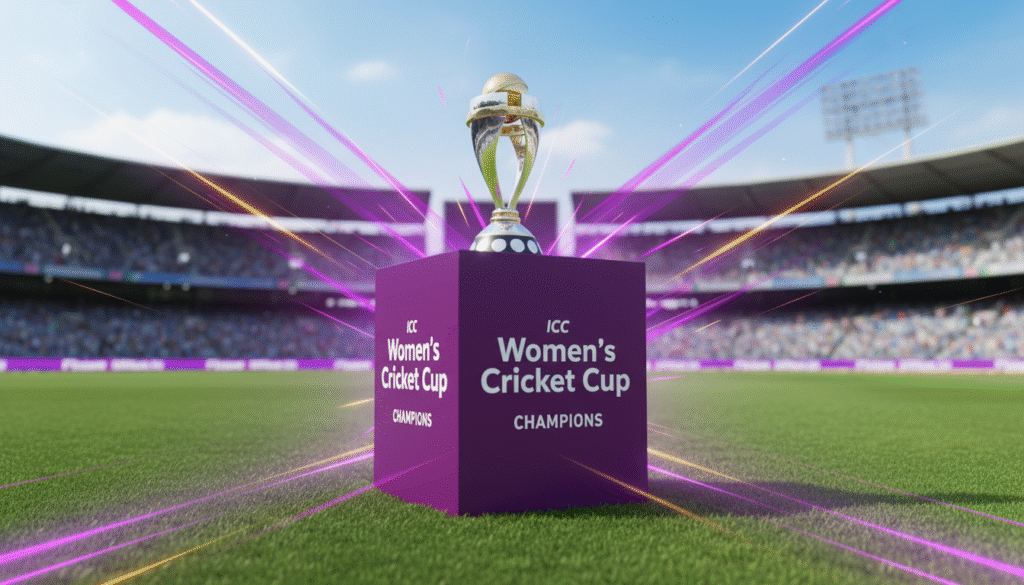
The Women’s World Cup 2025 will be remembered not just for thrilling matches, but for redefining the way the world views women’s cricket. From record-breaking performances to inspiring leadership and massive audience engagement, this tournament marks the dawn of a new era. The event wasn’t just about boundaries and wickets it was about empowerment, evolution, and excellence.
The Global Shift in Perception
Over the past decade, women’s cricket has evolved from being a secondary attraction to a major sporting phenomenon. Stadiums across Australia, India, and England were packed with passionate fans. The World Cup’s broadcasting reach crossed 400 million viewers, a historic milestone proving that women’s cricket has truly arrived.
What makes 2025 special is not just the growth in numbers but the emotional investment fans showed. Whether it was India’s tense semi-final against England or Australia’s record chase in the group stage, every match carried electric energy. The enthusiasm, once reserved only for men’s tournaments, now embraced the women’s game.
India’s Dominant Campaign
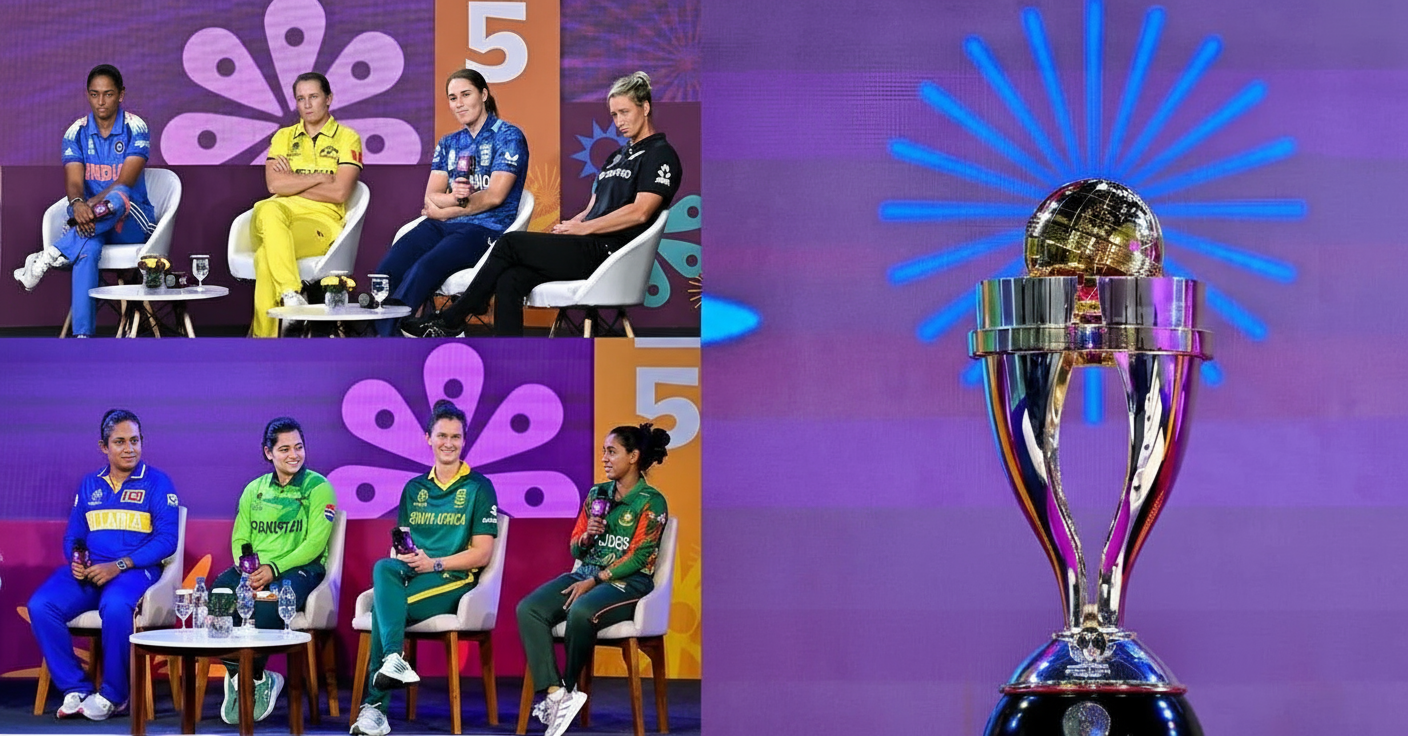
India entered the World Cup as a powerhouse, led by Harmanpreet Kaur, a captain who personified composure and confidence. The blend of experience (Smriti Mandhana, Deepti Sharma) and youth (Shafali Verma, Richa Ghosh) gave India the balance every champion side needs.
Their group-stage dominance showcased their hunger, and big wins over New Zealand and Bangladesh highlighted their strength in all departments. The semi-final against England was a spectacle: India defended a modest 245 with clinical precision, courtesy of Renuka Thakur’s 4-wicket haul.
Although India fell short in the final against Australia, the message was clear: the gap between the two giants has never been smaller. The Indian women now play with the same aggression, strategy, and belief as their male counterparts.
Australia’s Unmatched Legacy
The Australian women’s team continued to build on its golden legacy. With legends like Meg Lanning, Alyssa Healy, and Ellyse Perry still leading from the front, Australia proved why it is considered the most dominant force in world cricket.
Their batting depth and fielding standards remain benchmarks. What separated them in 2025 was adaptability. Facing new challengers like South Africa and England, Australia found different heroes each time — Tahlia McGrath’s all-round brilliance, Alana King’s spin breakthroughs, and Healy’s tactical batting anchored their success.
By lifting their seventh World Cup, Australia reaffirmed its status as the greatest dynasty in women’s sports.
The Emerging Nations Story
Beyond the traditional heavyweights, 2025 also spotlighted new contenders. Bangladesh stunned South Africa in a last-over thriller, while Sri Lanka’s teenage sensation Kavisha Dilhari became the youngest player to score a World Cup century.
Thailand, though not advancing past the group stage, earned widespread respect for its fighting spirit and fielding brilliance. Their captain, Naruemol Chaiwai, became a social media icon for her leadership and composure.
This growth shows how global the women’s game has become — competitive, entertaining, and emotionally compelling.
The Power of Broadcasting and Social Media
Women’s cricket has benefited immensely from digital transformation. Every match was live-streamed, every performance analyzed, and every player celebrated across social media. Platforms like Instagram and Twitter became spaces of empowerment, fans debated tactics, shared highlights, and voiced support for women athletes more than ever.
Brands also jumped on the movement. Major sponsors like Nike, BYJU’s, and Unilever launched women-centric campaigns celebrating players as national icons. This commercial validation is a critical step in ensuring financial equality in cricket.
The Evolution of Skill and Strategy
Cricket in 2025 is more data-driven than ever, and women’s teams have embraced analytics. Bowling plans are crafted using AI-based match simulations, and batting coaches use advanced motion tracking for technical refinement.
But beyond technology, what truly stands out is the tactical maturity of players. Captains now employ split-field strategies, spinner rotations, and power-play manipulation that mirror top-tier men’s games.
The standard of play is no longer “good for women’s cricket,” it’s simply world-class cricket.
The Human Side of the Story
The 2025 World Cup wasn’t just about stats. It was about stories — of resilience, sacrifice, and dreams. Richa Ghosh’s emotional century against South Africa after a personal tragedy moved fans to tears. Smriti Mandhana’s mentorship of young talents showed leadership beyond runs. And Ellyse Perry’s sportsmanship moment, helping an injured opponent off the field, captured the heart of the cricketing world.
The Road Ahead
The future looks brighter than ever. ICC’s new calendar now includes more Test series, global franchise leagues, and grassroots investments. Young girls watching the 2025 final in small towns across India or Kenya now believe they can be next.
With the next generation inspired, the rise of women’s cricket is unstoppable. The 2025 World Cup was more than a tournament; it was a movement.
The Women’s World Cup 2025 proved that the spirit of cricket knows no gender. The skill, emotion, and competitive fire displayed throughout the tournament redefined global cricketing narratives. The world is finally giving women cricketers their rightful stage, and they are shining brighter than ever.