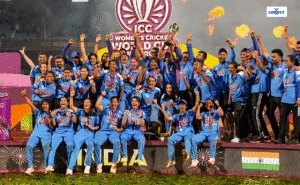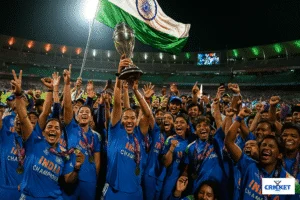
2025 Women’s World Cup Final: India vs South Africa – Strengths, Weaknesses & Key Battles
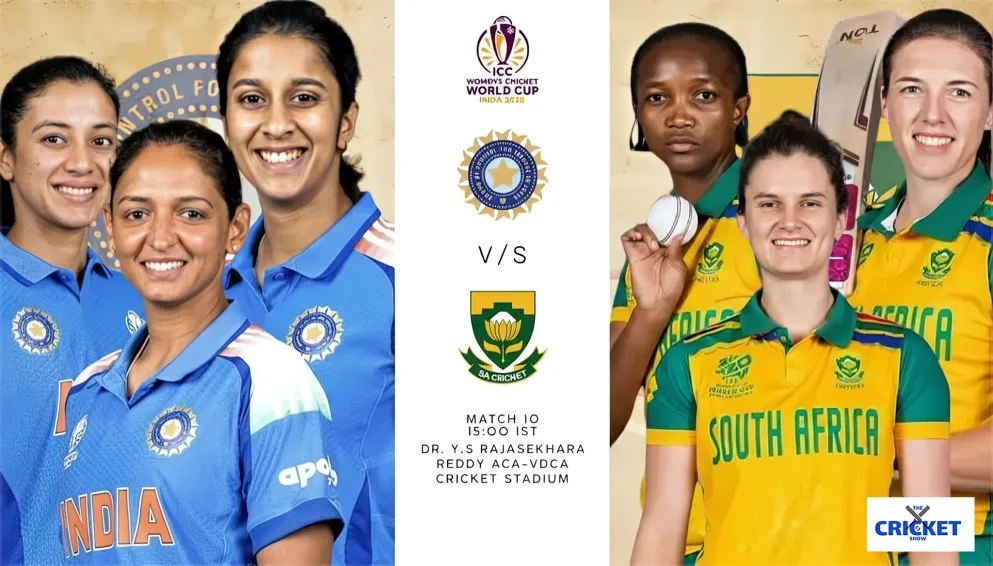
The stage is set for an unforgettable night in Guwahati as India Women and South Africa Women clash in the grand finale of the 2025 ICC Women’s Cricket World Cup. Two teams, two distinct journeys, and one shared dream — to lift the most prestigious trophy in women’s cricket.
Both teams have played fearless, passionate cricket throughout the tournament. India, powered by home support and inspired leadership, have looked unstoppable. South Africa, driven by discipline and self-belief, have made history by reaching their first-ever World Cup final. Here’s a full breakdown of both teams — their key strengths, weaknesses, and what could decide the final.
Team India Women
Strengths / Key Points
Explosive Opening Pair
India’s success story in this World Cup begins with Smriti Mandhana and Shafali Verma, arguably the most dynamic pair in women’s cricket today. Their left-right combination unsettles bowlers from the very first over. Shafali’s fearless approach in the powerplay and Mandhana’s elegant timing ensure India gets rapid starts. If they survive the first 10 overs, India’s total often crosses 300+.Rock-Solid Middle Order
The middle order, featuring Jemimah Rodrigues and Harmanpreet Kaur, has been India’s fortress. Jemimah’s consistency and Harmanpreet’s composure under pressure make them the backbone of this batting unit. In the semi-final against Australia, both combined for a record 150+ stand — a partnership that symbolized India’s tactical maturity. They rotate strike beautifully and can shift gears instantly when required.Depth and Balance
The inclusion of all-rounders like Deepti Sharma and Pooja Vastrakar gives India unmatched depth. Deepti’s calm batting under pressure and her precise off-spin add balance, while Vastrakar’s ability to swing the new ball and hit big sixes makes her a genuine match-winner. This depth allows India to field a flexible XI depending on pitch conditions.Spin Power in Subcontinental Conditions
India’s spin trio — Deepti Sharma, Rajeshwari Gayakwad, and Shreyanka Patil — have been a nightmare for visiting teams. They control the middle overs, build pressure, and break key partnerships. On the slow Guwahati pitch, their variations could prove decisive.Home Advantage and Momentum
Playing at home is a psychological edge. The Guwahati crowd has been electric throughout the tournament, rallying behind every Indian boundary. The players are used to the climate, humidity, and pitch behavior. Add to that the momentum from their record semi-final win, and India look like a team peaking at the right moment.Strong Leadership
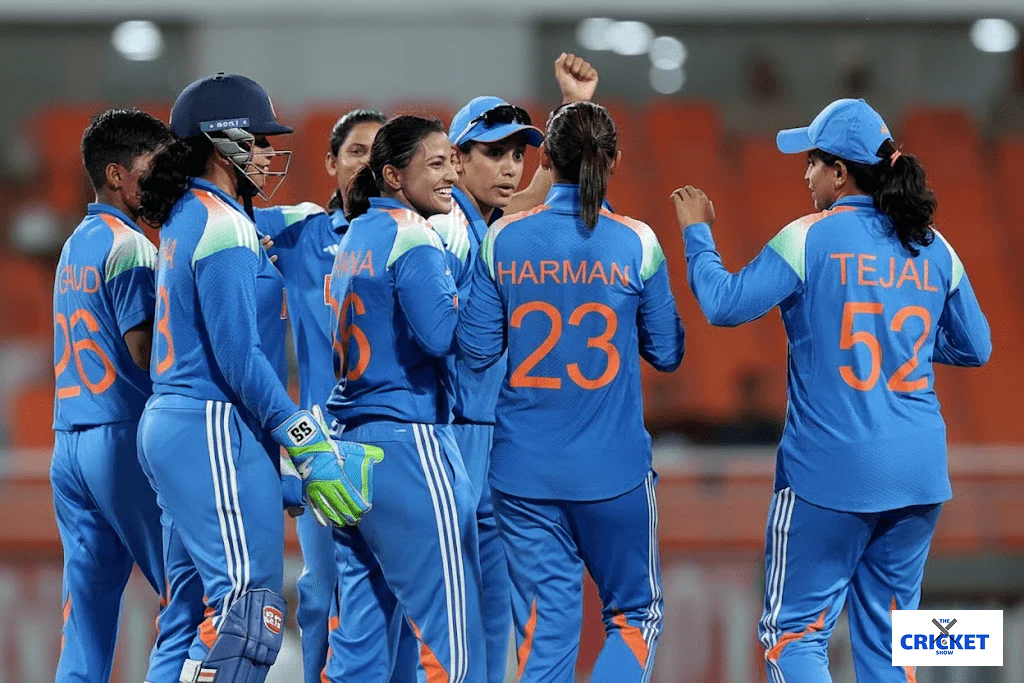
Captain Harmanpreet Kaur has led from the front. Her calm demeanor, tactical awareness, and experience in high-pressure situations have inspired the younger players. Her decision-making in crunch moments has often turned games in India’s favor.
Weaknesses / Areas of Concern
Over-Reliance on Top Order
While the top four have been outstanding, the lower middle order hasn’t faced many pressure situations. If India lose early wickets, their No. 6–8 batters might find it difficult to rebuild against South Africa’s pace trio.Fielding Lapses
India’s fielding remains an area for improvement. Despite notable progress, a few dropped catches and ground fielding errors have cost runs in tight matches. Against a strong side like South Africa, one missed chance could change the match.Pace Bowling Depth
Beyond Renuka Singh and Vastrakar, India’s pace options lack the raw speed to trouble batters on flat decks. The backup bowlers must maintain consistency in line and length to avoid leaking runs in the final overs.Death Bowling Under Pressure
Bowling in the final five overs has occasionally been India’s Achilles’ heel. Missed yorkers and loose deliveries have allowed opponents to post or chase big totals. Execution in this phase could decide the final’s outcome.
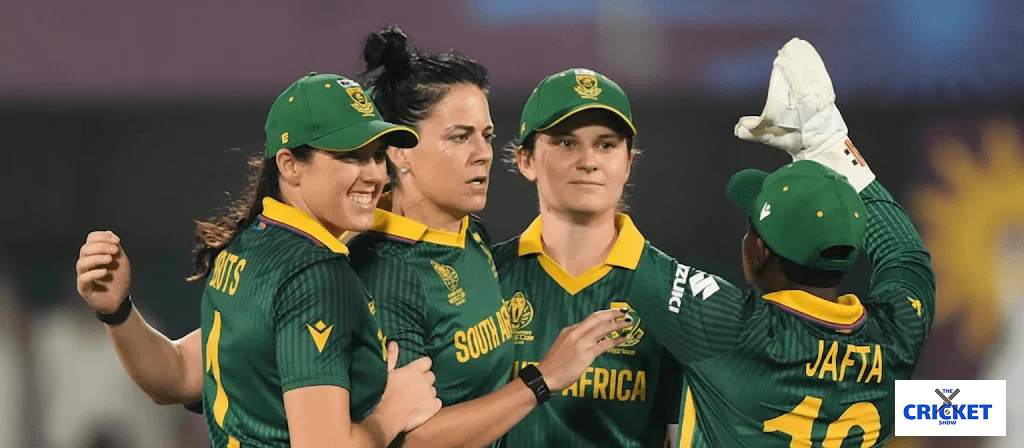
Team South Africa Women
Strengths / Key Points
Solid and Composed Top Order
South Africa’s opening pair — Laura Wolvaardt and Tazmin Brits — bring calm assurance to the crease. Wolvaardt’s textbook technique and Brits’ counter-attacking flair have been crucial in building strong starts. Their ability to absorb pressure early on and accelerate later has served South Africa well throughout the tournament.All-Round Firepower
Few teams can match South Africa’s all-round strength. Marizanne Kapp and Nadine de Klerk are genuine dual threats — equally effective with bat and ball. Kapp’s experience in global leagues has helped her adapt to subcontinental pitches, while de Klerk’s energy and aggression give the team balance in both innings.Pace Bowling Arsenal
South Africa’s fast bowlers — Shabnim Ismail, Ayabonga Khaka, and Kapp — form one of the most disciplined pace units in women’s cricket. Ismail’s pace, Khaka’s accuracy, and Kapp’s movement off the seam can dismantle any top order. Their early breakthroughs often dictate the flow of the match.Athletic Fielding
South Africa prides itself on world-class fielding. The energy of players like Sune Luus and Brits saves 15–20 runs per innings — a crucial margin in finals. Their catching and boundary-saving efforts frequently change the momentum of matches.Fighting Spirit and Team Unity
The Proteas have built a reputation for resilience. Whether defending low totals or chasing big ones, they fight till the last over. Their ability to bounce back after setbacks, like the close win over England in the semi-final, reflects their mental toughness.
Weaknesses / Areas of Concern
Vulnerability Against Spin
Historically, South Africa’s middle order struggles against quality spin on turning tracks. The Indian spin trio could exploit this by slowing the scoring rate and forcing errors through flight and variation.Inconsistent Lower Order
After the top six, South Africa’s batting depth dips sharply. If early wickets fall, the tail can collapse quickly, leaving them short of a competitive total.Dependence on Key Players
Much of South Africa’s success revolves around Kapp, Wolvaardt, and Ismail. If any of them fail in the final, the team could lose balance. The lack of a backup game-changer remains a concern.Pressure on the Big Stage
Despite their progress, South Africa’s record in knockouts is shaky. Semi-final heartbreaks in previous World Cups and T20 tournaments weigh on their shoulders. Handling pressure moments — especially against a home crowd — will be vital.Death Over Bowling Under Pressure
Like India, South Africa’s bowlers have sometimes faltered in the final overs. Missed yorkers or overpitched deliveries against set batters can undo early hard work.
Key Battles to Watch
Smriti Mandhana vs Shabnim Ismail
The Indian opener’s timing vs Ismail’s raw pace will set the tone. Whoever wins this battle could dictate the powerplay momentum.Jemimah Rodrigues vs Marizanne Kapp
A technical showdown between India’s most consistent batter and South Africa’s most complete bowler. Kapp’s seam movement against Jemimah’s footwork will be fascinating to watch.Deepti Sharma vs Laura Wolvaardt
A test of patience and precision. Deepti’s looping deliveries challenge Wolvaardt’s defensive technique and could trigger a key breakthrough in the middle overs.Harmanpreet Kaur vs Ayabonga Khaka
Harmanpreet’s power hitting in the death overs vs Khaka’s pinpoint accuracy — this duel could decide the finishing phase of the match.
Final Outlook: Who Has the Edge?
| Attribute | Advantage |
|---|---|
| Batting Depth | India |
| Pace Attack | South Africa |
| Spin Quality | India |
| Fielding | South Africa |
| Experience in Finals | India |
| Home Support | India |
Verdict
Both teams arrive at the final with contrasting strengths. India rely on flair, spin, and crowd energy, while South Africa bank on pace discipline and teamwork. The toss could play a huge role — batting second under lights might be tricky.
For India, it’s a chance to etch their name in history with their first-ever Women’s World Cup title. For South Africa, it’s the pursuit of redemption and respect on the global stage.
Either way, the 2025 ICC Women’s World Cup Final promises to be a contest that defines a generation — a battle not just of skill, but of courage, composure, and destiny.